Baking Steel Original Pizza Steel Review 2026 – Is It Worth Buying?
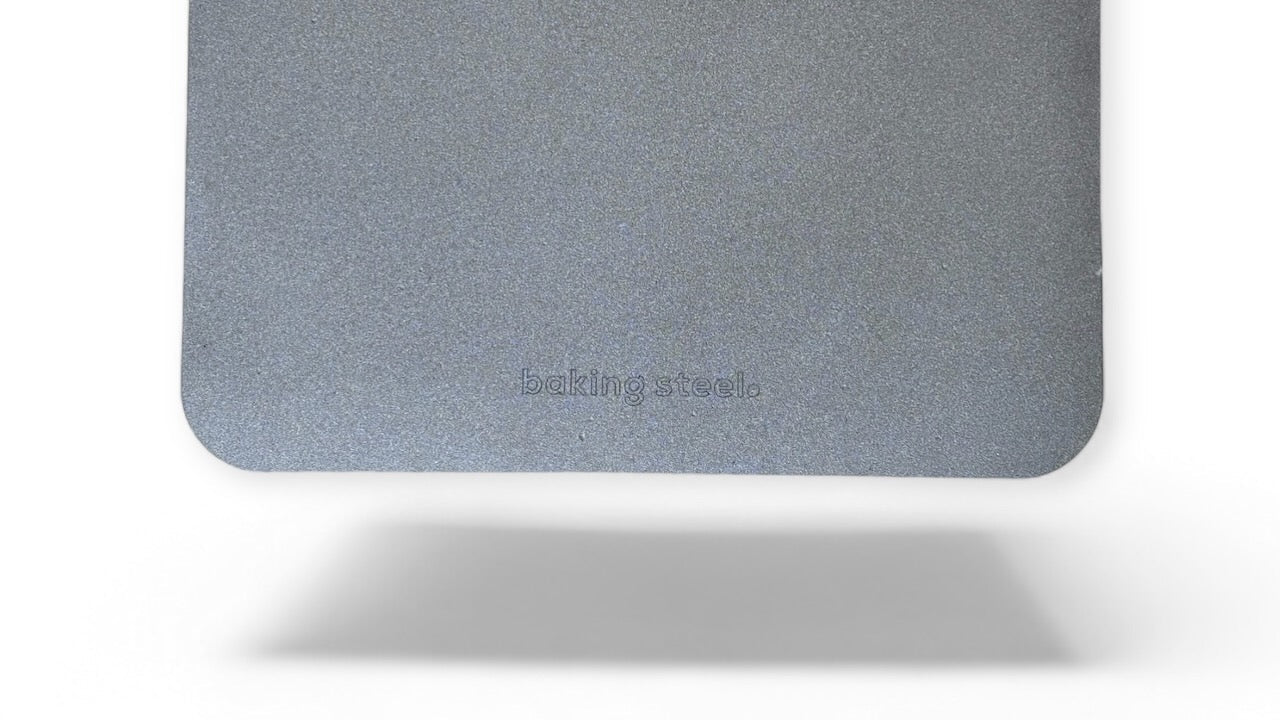
If your homemade pizza keeps coming out with a soggy or unevenly cooked crust no matter how hot you crank your oven, the problem usually isn’t your recipe — it’s that a standard oven rack (or even a ceramic stone) can’t dump heat into the dough fast enough. Baking Steel’s whole pitch is built around fixing exactly that with a slab of solid steel instead of stone.
What Is Baking Steel?
Baking Steel makes pizza steels and griddles for home kitchens, built around the idea that steel out-performs ceramic pizza stones on both heat transfer and durability. The company has manufactured its steel in a family-owned Massachusetts shop since 2012, positioning itself as a US-made alternative to imported cookware.
→ Shop the Baking Steel lineup
How It Works
A 1/4“-thick steel plate has roughly twice the thermal conductivity of ceramic stone, meaning it absorbs heat during preheating and then transfers it into the pizza dough much faster once the pie goes on. Baking Steel’s own testing claims about a 4-minute bake versus 8+ minutes on a typical stone — a difference that lines up with the basic physics of steel versus ceramic, even if your actual results will vary by oven and dough recipe.
Pricing & Product Lineup
| Product | Price |
|---|---|
| Baking Steel Original (1/4“ steel plate) | $129.00 |
| 14“ Cherry Wood Pizza Peel | $69.00 |
| Cleaning Bricks (pumice, for maintenance) | $29.00 |
| 72-Hour Pizza Dough Mix | Priced separately, sold as an add-on |
The steel griddle line covers stovetop searing and pan-style cooking beyond pizza, so if you cook a lot of steaks or need a flat-top surface for large batches, that’s part of the value case too.
→ See current Baking Steel pricing and bundles
Pros
- Meaningfully faster, crisper bakes than a stone — steel’s higher thermal conductivity is a real physical advantage, not just marketing, and it shows up in bake time and crust texture.
- A genuine multi-tool, not just a pizza accessory — the same plate sears steaks and cooks large batches on the stovetop or grill.
- US manufacturing from a small, established shop (since 2012), which some buyers value over anonymous overseas mass production.
- Steel doesn’t crack the way ceramic stones eventually do under thermal shock, so it’s a longer-term investment if you use it often.
- Works across three cooking setups — oven, grill, stovetop — without buying separate equipment for each.
- A refined accessory ecosystem (peel, cleaning bricks, dough mix) if you want a complete pizza-night setup from one brand.

Cons
- At least one independent reviewer’s experience was mixed. A hands-on test comparing the branded Baking Steel to a cheaper unbranded steel of similar mass and dimensions reported rougher, uneven edges on the branded unit and felt the $129 price wasn’t justified purely on cooking performance — though they still rated it fine as a general-purpose griddle. Worth knowing before you pay the premium over a generic steel plate.
- It’s heavy. Several pounds of solid steel is noticeably less convenient to lift, store, or move than a ceramic stone or thin aluminum pan.
- Preheating takes real time — plan for 45-60 minutes in a hot oven to build up the stored heat that gives steel its crust-crisping advantage, longer than many first-time buyers expect.
What Customers Are Saying
On-site testimonials and social mentions (including a widely cited Reddit comment pairing Baking Steel with a well-known pizza dough recipe) describe it as a genuine step up from a stone for home pizza night. That said, our research also surfaced a detailed independent review that pushed back on the value proposition specifically — reporting uneven construction on their unit and concluding a cheaper, unbranded steel with similar specs delivered comparable pizza results for less money, while still finding the Baking Steel useful as an everyday griddle. We think that’s a fair, balanced picture: steel as a category is a real upgrade over stone, but whether the branded premium is worth it depends more on finish quality and customer support than on any dramatic cooking-performance gap.
How It Compares
Against a ceramic pizza stone, Baking Steel’s faster heat transfer and crack-resistance are genuine, physics-backed advantages — the tradeoff is weight and preheat time. Against a cheaper unbranded steel plate of similar thickness, the case for paying the Baking Steel premium rests more on US manufacturing, finish/edge quality (where reports are mixed), and the accessory ecosystem than on a night-and-day difference in the pizza itself.
Final Verdict: Is Baking Steel Worth Buying?
Baking Steel delivers on the core physics — steel genuinely bakes pizza faster and crisper than stone, and it doubles as a serious stovetop griddle. It’s a solid pick for home cooks who make pizza regularly and want a US-made, multi-purpose piece of cookware. If your main goal is squeezing out the best possible pizza for the least money, it’s worth weighing the independent feedback on edge finish and pricing against a cheaper unbranded steel before committing to the full-price Original.
→ Check current pricing on Baking Steel
This post may contain affiliate links — HonestPickReview may earn a commission on qualifying purchases at no extra cost to you. See our affiliate disclosure for details.
Specifications
| Material | 1/4" thick steel |
|---|---|
| Made in | USA (Massachusetts) |
| Compatible with | Ovens, grills, stovetops |
| Typical bake time | ~4 minutes (vs. 8+ on stone, per brand) |
| Price range | $29 (cleaning brick) – $129 (Original steel) |
Ready to buy the Baking Steel Original?
Check Current Price